
پرامپت تبدیل عکس به استایل دهه های مختلف

اگر این پست را میخوانید، به احتمال زیاد متولد دهه ۱۳۹۰، ۱۳۸۰ یا ۱۳۷۰ هستید. اما آیا تا به حال به این فکر کردهاید که اگر در دهههای گذشته به دنیا میآمدید، استایل و ظاهر شما چگونه میشد؟ با کمک این پرامپت جذاب میتوانید خودتان را در دورههای مختلف تاریخی، از دهه ۱۸۸۰ تا دهه ۲۰۲۰، ببینید.
نحوه استفاده از این پرامپت بسیار ساده است؛ کافی است متن آن را کپی کنید، عکس اصلی خود را به آن ضمیمه کرده و پرامپت را در ابزارهایی مانند ChatGPT یا Google Gemini وارد کنید.

اگر فرصت یا حوصله کار با هوش مصنوعی را ندارید یا به محدودیت روزانه تولید تصویر رسیدهاید، مجهنگ میتواند تصاویر موردنظر شما را در کوتاهترین زمان تولید کند. برای ثبت سفارش، در تلگرام به آیدی FarhangHeshmati@ پیام دهید.
پرامپت تبدیل عکس به استایل دهههای مختلف
Create a hyper-realistic timeline collage of the same subject (use the uploaded reference photo for facial identity) portrayed across 15 decades, from the 1880s to the 2020s. Arrange all images in a clean 3×5 or 5×3 grid with uniform square/portrait framing, even spacing, and a neutral museum-archive background between cells. Label each square with its decade in a minimal serif or archival typewriter font, bottom-left corner.

Consistency requirements:
Preserve the exact facial structure, bone structure, eye shape, and proportions of the reference subject in every panel — only fashion, hairstyle, color grading, lighting, and photographic technique should change to match the era. Each portrait should look like an authentic photograph taken in that decade, not a modern photo with a filter.

Decade-by-decade breakdown:

1880s
Styling: Traditional regional/cultural attire appropriate to the subject's heritage
Photographic treatment: Sepia tone, tintype/daguerreotype look, stiff studio pose

1890s
Styling: Formal suit or high-collar dress, bow tie or lace
Photographic treatment: Vintage studio lighting, soft vignette

1900s
Styling: Colonial-era outfit, wide-brim hat
Photographic treatment: Warm brown monochrome tones

1910s
Styling: Military-inspired or Edwardian formalwear, slicked/pinned hair
Photographic treatment: Grainy silver-gelatin print look

1920s
Styling: European tailoring, beret or cloche hat
Photographic treatment: Soft film grain, slightly faded contrast

1930s
Styling: Double-breasted suit or drop-waist dress
Photographic treatment: Black-and-white formal studio portrait

1940s
Styling: Rugged workwear or utility fashion
Photographic treatment: Harsh shadows, WWII-era documentary photojournalism style

1950s
Styling: Neat button-up or full-skirt dress
Photographic treatment: Smooth lighting, pastel studio backdrop

1960s
Styling: Clean-cut uniform or mod fashion
Photographic treatment: Sharp, high-contrast studio portrait

1970s
Styling: Bold afro/feathered hair, wide-collar suit or bohemian dress
Photographic treatment: Warm, saturated vintage color

1980s
Styling: Colorful sporty windbreaker or bold shoulder-pad fashion, mullet or permed hair
Photographic treatment: Retro studio backdrop, soft glow

1990s
Styling: Plain oversized T-shirt or grunge-casual look
Photographic treatment: Flat lighting, consumer point-and-shoot quality

2000s
Styling: Modern polo/casual streetwear
Photographic treatment: Early-digital camera look, slight flash artifact

2010s
Styling: Neatly trimmed beard/styled hair, office attire
Photographic treatment: High-clarity modern DSLR portrait

2020s
Styling: Hoodie, minimalist streetwear
Photographic treatment: Cool-tone lighting, contemporary smartphone/digital style

Closing technical tags:

Ultra-detailed skin texture and facial features, consistent identity across all 15 panels, crisp edges, accurate period-correct clothing and grooming, archival museum-quality collage presentation, no distortion of facial geometry between panels, 8k detail, photorealistic.این پرامپت چه کاری انجام میدهد؟
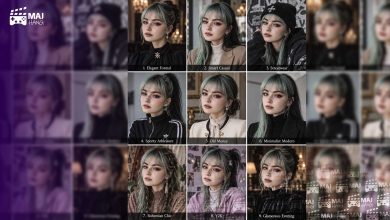
این پرامپت عکس شما را به یک کلاژ تاریخی جذاب تبدیل میکند که در آن چهره یک فرد در استایلهای مختلف و متعلق به دورههای زمانی متفاوت نمایش داده میشود.
تصویر نهایی شامل ۱۵ پرتره از یک فرد است که از دهه ۱۸۸۰ تا دهه ۲۰۲۰ را پوشش میدهد. نکته مهم این است که مدل هوش مصنوعی تلاش میکند هویت و ویژگیهای اصلی چهره را در تمام تصاویر ثابت نگه دارد و تنها مواردی مانند لباس، مدل مو، نورپردازی، رنگبندی و تکنیک عکاسی را متناسب با هر دوره تغییر دهد.
در نتیجه، به جای اینکه یک عکس امروزی صرفا با فیلتر قدیمی نمایش داده شود، هر تصویر باید شبیه عکسی باشد که واقعاً در همان دوره تاریخی ثبت شده است.
استایل هر دهه چگونه تغییر میکند؟
این پرامپت برای هر دوره پوشش و سبک عکاسی متفاوتی در نظر میگیرد. برای مثال:
- دهه ۱۸۸۰ با پوشش سنتی و ظاهر عکسهای داگروتایپ و تینتایپ
- دهه ۱۸۹۰ با لباس رسمی، یقههای بلند و نورپردازی استودیویی قدیمی
- دهه ۱۹۰۰ با لباسهای مربوط به اوایل قرن بیستم و رنگهای قهوهای
- دهه ۱۹۱۰ با پوشش رسمی ادواردی و ظاهر عکسهای قدیمی
- دهه ۱۹۲۰ با پوشش اروپایی، کلاه بره یا کلاه کلوش
- دهه ۱۹۳۰ با لباسهای رسمی و عکاسی سیاهوسفید
- دهه ۱۹۴۰ با لباسهای کاری و فضای عکاسی مستند دوران جنگ جهانی دوم
- دهه ۱۹۵۰ با لباسهای مرتب و نورپردازی استودیویی نرم
- دهه ۱۹۶۰ با استایل مدرن و پرکنتراست
- دهه ۱۹۷۰ با موهای پرحجم، یقههای پهن و رنگهای گرم
- دهه ۱۹۸۰ با لباسهای ورزشی رنگارنگ و استایلهای پرزرقوبرق
- دهه ۱۹۹۰ با تیشرتهای گشاد و ظاهر گرانج
- دهه ۲۰۰۰ با استایل خیابانی و ظاهر دوربینهای دیجیتال اولیه
- دهه ۲۰۱۰ با پوشش رسمیتر و کیفیت بالای دوربینهای DSLR
- دهه ۲۰۲۰ با هودی، پوشش مینیمال و سبک عکاسی گوشیهای هوشمند
چگونه بهترین نتیجه را بگیرید؟
برای اینکه چهره شما در تمام ۱۵ تصویر شباهت بیشتری به عکس اصلی داشته باشد، بهتر است از یک تصویر واضح و باکیفیت استفاده کنید. در تصویر مرجع، صورت باید تا حد امکان قابل مشاهده باشد و توسط مو، دست یا سایر اشیا پوشانده نشده باشد.
همچنین بهتر است از عکسهایی با نور مناسب و زاویهای نسبتا مستقیم استفاده کنید. هرچه اطلاعات بیشتری از چهره در اختیار مدل هوش مصنوعی قرار بگیرد، احتمال حفظ ویژگیهای اصلی صورت در تمام پنلها بیشتر خواهد بود.
میتوانید دههها را شخصیسازی کنید
یکی از جذابترین ویژگیهای این پرامپت امکان تغییر استایل هر دوره است. برای مثال میتوانید به جای پوشش عمومی هر دهه، از مدل هوش مصنوعی بخواهید لباسهای رایج در یک کشور یا منطقه خاص را بازسازی کند.
همچنین میتوانید برخی دههها را حذف کرده یا تعداد بیشتری از دورههای تاریخی را به کلاژ اضافه کنید. حتی میتوانید پرامپت را طوری تغییر دهید که به جای ۱۵ پرتره، تنها چند دوره خاص مانند دهههای ۱۳۵۰، ۱۳۶۰، ۱۳۷۰ و ۱۳۸۰ را نمایش دهد.
اگر به دنبال پرامپتهای کاربردی بیشتری هستید، صفحه «بهترین پرامپتهای هوش مصنوعی» در مجهنگ را در مرورگر خود ذخیره (Bookmark) کنید. این صفحه بهصورت منظم با جدیدترین پرامپتها، آموزشها و ترفندهای هوش مصنوعی بهروزرسانی میشود تا همیشه به تازهترین مطالب دسترسی داشته باشید.




عکس دهه های 60
60
اااااا
سلام
عکس عروسی
پرامپت
عالی
خیلی برنامه خوب و عالی است
اسم برنامش چیه؟
دهه ۱۹۵۰ با لباسهای مرتب و نورپردازی استودیویی نرم
Create a hyper-realistic timeline collage of the same subject (use the uploaded reference photo for facial identity) portrayed across 15 decades, from the 1880s to the 2020s. Arrange all images in a clean 3×5 or 5×3 grid with uniform square/portrait framing, even spacing, and a neutral museum-archive background between cells. Label each square with its decade in a minimal serif or archival typewriter font, bottom-left corner.
Consistency requirements:
Preserve the exact facial structure, bone structure, eye shape, and proportions of the reference subject in every panel — only fashion, hairstyle, color grading, lighting, and photographic technique should change to match the era. Each portrait should look like an authentic photograph taken in that decade, not a modern photo with a filter.
Decade-by-decade breakdown:
1880s
Styling: Traditional regional/cultural attire appropriate to the subject’s heritage
Photographic treatment: Sepia tone, tintype/daguerreotype look, stiff studio pose
1890s
Styling: Formal suit or high-collar dress, bow tie or lace
Photographic treatment: Vintage studio lighting, soft vignette
1900s
Styling: Colonial-era outfit, wide-brim hat
Photographic treatment: Warm brown monochrome tones
1910s
Styling: Military-inspired or Edwardian formalwear, slicked/pinned hair
Photographic treatment: Grainy silver-gelatin print look
1920s
Styling: European tailoring, beret or cloche hat
Photographic treatment: Soft film grain, slightly faded contrast
1930s
Styling: Double-breasted suit or drop-waist dress
Photographic treatment: Black-and-white formal studio portrait
1940s
Styling: Rugged workwear or utility fashion
Photographic treatment: Harsh shadows, WWII-era documentary photojournalism style
1950s
Styling: Neat button-up or full-skirt dress
Photographic treatment: Smooth lighting, pastel studio backdrop
1960s
Styling: Clean-cut uniform or mod fashion
Photographic treatment: Sharp, high-contrast studio portrait
1970s
Styling: Bold afro/feathered hair, wide-collar suit or bohemian dress
Photographic treatment: Warm, saturated vintage color
1980s
Styling: Colorful sporty windbreaker or bold shoulder-pad fashion, mullet or permed hair
Photographic treatment: Retro studio backdrop, soft glow
1990s
Styling: Plain oversized T-shirt or grunge-casual look
Photographic treatment: Flat lighting, consumer point-and-shoot quality
2000s
Styling: Modern polo/casual streetwear
Photographic treatment: Early-digital camera look, slight flash artifact
2010s
Styling: Neatly trimmed beard/styled hair, office attire
Photographic treatment: High-clarity modern DSLR portrait
2020s
Styling: Hoodie, minimalist streetwear
Photographic treatment: Cool-tone lighting, contemporary smartphone/digital style
Closing technical tags:
Ultra-detailed skin texture and facial features, consistent identity across all 15 panels, crisp edges, accurate period-correct clothing and grooming, archival museum-quality collage presentation, no distortion of facial geometry between panels, 8k detail, photorealistic.
Create a hyper-realistic timeline collage of the same subject (use the uploaded reference photo for facial identity) portrayed across 15 decades, from the 1880s to the 2020s. Arrange all images in a clean 3×5 or 5×3 grid with uniform square/portrait framing, even spacing, and a neutral museum-archive background between cells. Label each square with its decade in a minimal serif or archival typewriter font, bottom-left corner.Consistency requirements:
Preserve the exact facial structure, bone structure, eye shape, and proportions of the reference subject in every panel — only fashion, hairstyle, color grading, lighting, and photographic technique should change to match the era. Each portrait should look like an authentic photograph taken in that decade, not a modern photo with a filter.Decade-by-decade breakdown:1880s
Styling: Traditional regional/cultural attire appropriate to the subject’s heritage
Photographic treatment: Sepia tone, tintype/daguerreotype look, stiff studio pose1890s
Styling: Formal suit or high-collar dress, bow tie or lace
Photographic treatment: Vintage studio lighting, soft vignette1900s
Styling: Colonial-era outfit, wide-brim hat
Photographic treatment: Warm brown monochrome tones1910s
Styling: Military-inspired or Edwardian formalwear, slicked/pinned hair
Photographic treatment: Grainy silver-gelatin print look1920s
Styling: European tailoring, beret or cloche hat
Photographic treatment: Soft film grain, slightly faded contrast1930s
Styling: Double-breasted suit or drop-waist dress
Photographic treatment: Black-and-white formal studio portrait1940s
Styling: Rugged workwear or utility fashion
Photographic treatment: Harsh shadows, WWII-era documentary photojournalism style1950s
Styling: Neat button-up or full-skirt dress
Photographic treatment: Smooth lighting, pastel studio backdrop1960s
Styling: Clean-cut uniform or mod fashion
Photographic treatment: Sharp, high-contrast studio portrait1970s
Styling: Bold afro/feathered hair, wide-collar suit or bohemian dress
Photographic treatment: Warm, saturated vintage color1980s
Styling: Colorful sporty windbreaker or bold shoulder-pad fashion, mullet or permed hair
Photographic treatment: Retro studio backdrop, soft glow1990s
Styling: Plain oversized T-shirt or grunge-casual look
Photographic treatment: Flat lighting, consumer point-and-shoot quality2000s
Styling: Modern polo/casual streetwear
Photographic treatment: Early-digital camera look, slight flash artifact2010s
Styling: Neatly trimmed beard/styled hair, office attire
Photographic treatment: High-clarity modern DSLR portrait2020s
Styling: Hoodie, minimalist streetwear
Photographic treatment: Cool-tone lighting, contemporary smartphone/digital styleClosing technical tags:Ultra-detailed skin texture and facial features, consistent identity across all 15 panels, crisp edges, accurate period-correct clothing and grooming, archival museum-quality collage presentation, no distortion of facial geometry between panels, 8k detail, photorealistic.
Azadiarina5@Gmail.com
میخواهم عکسم به زمان دهه ۸۰ تبدیل بشود
Zahragh.98
سلام من میخوام به عکسم رو به دهه 60 و به تیپ و استایل کوردی تبدیل کنید
دهه ۱۹۹۰ با تیشرتهای گشاد و ظاهر گرانج
عکسهای دهه شصتی
سلام من معصومه هستم
60
Create a hyper-realistic timeline collage of the same subject (use the uploaded reference photo for facial identity) portrayed across 15 decades, from the 1880s to the 2020s. Arrange all images in a clean 3×5 or 5×3 grid with uniform square/portrait framing, even spacing, and a neutral museum-archive background between cells. Label each square with its decade in a minimal serif or archival typewriter font, bottom-left corner.Consistency requirements:
Preserve the exact facial structure, bone structure, eye shape, and proportions of the reference subject in every panel — only fashion, hairstyle, color grading, lighting, and photographic technique should change to match the era. Each portrait should look like an authentic photograph taken in that decade, not a modern photo with a filter.Decade-by-decade breakdown:1880s
Styling: Traditional regional/cultural attire appropriate to the subject’s heritage
Photographic treatment: Sepia tone, tintype/daguerreotype look, stiff studio pose1890s
Styling: Formal suit or high-collar dress, bow tie or lace
Photographic treatment: Vintage studio lighting, soft vignette1900s
Styling: Colonial-era outfit, wide-brim hat
Photographic treatment: Warm brown monochrome tones1910s
Styling: Military-inspired or Edwardian formalwear, slicked/pinned hair
Photographic treatment: Grainy silver-gelatin print look1920s
Styling: European tailoring, beret or cloche hat
Photographic treatment: Soft film grain, slightly faded contrast1930s
Styling: Double-breasted suit or drop-waist dress
Photographic treatment: Black-and-white formal studio portrait1940s
Styling: Rugged workwear or utility fashion
Photographic treatment: Harsh shadows, WWII-era documentary photojournalism style1950s
Styling: Neat button-up or full-skirt dress
Photographic treatment: Smooth lighting, pastel studio backdrop1960s
Styling: Clean-cut uniform or mod fashion
Photographic treatment: Sharp, high-contrast studio portrait1970s
Styling: Bold afro/feathered hair, wide-collar suit or bohemian dress
Photographic treatment: Warm, saturated vintage color1980s
Styling: Colorful sporty windbreaker or bold shoulder-pad fashion, mullet or permed hair
Photographic treatment: Retro studio backdrop, soft glow1990s
Styling: Plain oversized T-shirt or grunge-casual look
Photographic treatment: Flat lighting, consumer point-and-shoot quality2000s
Styling: Modern polo/casual streetwear
Photographic treatment: Early-digital camera look, slight flash artifact2010s
Styling: Neatly trimmed beard/styled hair, office attire
Photographic treatment: High-clarity modern DSLR portrait2020s
Styling: Hoodie, minimalist streetwear
Photographic treatment: Cool-tone lighting, contemporary smartphone/digital styleClosing technical tags:Ultra-detailed skin texture and facial features, consistent identity across all 15 panels, crisp edges, accurate period-correct clothing and grooming, archival museum-quality collage presentation, no distortion of facial geometry between panels, 8k detail, photorealistic.
عکس خودم و دوست دخترم در دهه شصت
عکس های دهه ۶۰
کردکوی خ جنگل
استان خوزستان شهر خرمشهر
عکس قدیمی
عکس را از به دهه ی 80ببر
Abo
عکس تبدیل به ده ۵۰.۶۰